Customize & Care · Wood species
Nine hardwoods to choose from
Each wood has its own grain, color and hardness. Here is what sets each one apart.
How to read this page
The Janka hardness scale
Each species below has a Janka number, which measures the force needed to press a small steel ball halfway into the wood. It shows how well a wood resists dents and everyday wear. The higher the number, the harder the wood.
Hardness is only one factor. Our furniture specialists can help you choose the right wood for how you live.
North American hardwood
Brown Maple
950
Janka hardnessGrain
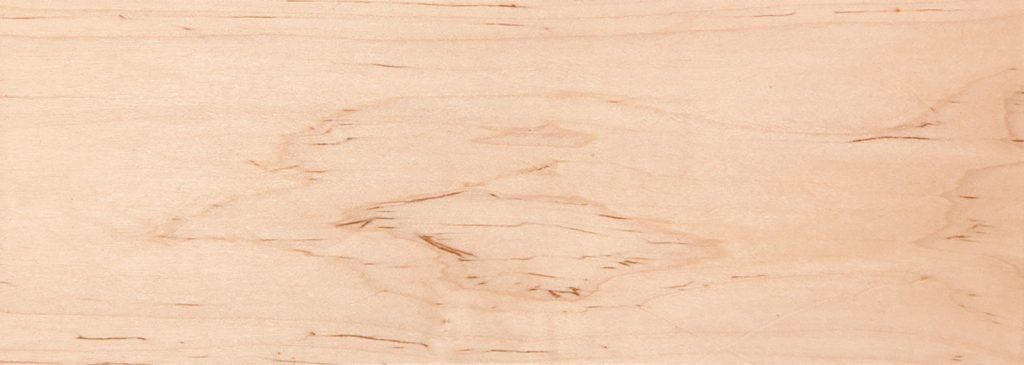
In terms of grain, brown maple is very much the opposite of red oak. Where red oak has a strong, deep pattern, brown maple is smooth and subtle.
Durability
Similar in hardness to cherry. Very much an American hardwood - but if furniture in your household takes a beating now and then, we may point you to its big brother, hard maple.
Color
We usually finish brown maple on the medium to darker side of the spectrum, because of brown mineral streaking in the grain. Popular choices are Sealy, Michael's Cherry, Asbury and Rich Tobacco.
Style
The smooth grain leans contemporary and Shaker. It also appears on Victorian pieces as a less-than-cherry option.
North American hardwood
Cherry
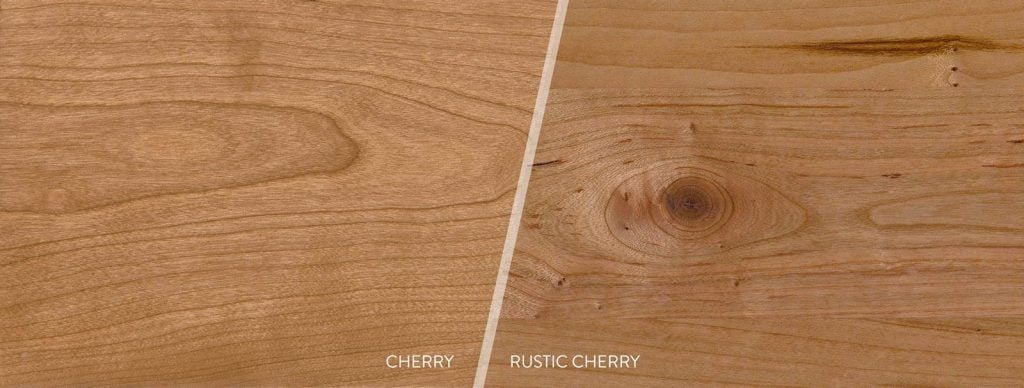
The difference between rustic cherry and cherry comes down to grain variation. Rustic cherry allows more of it - small burls, even small knots. There is less waste, so it costs less, and a great many of our customers prefer it for exactly that character.
950
Janka hardnessGrain
Widely considered one of the most beautiful American hardwoods, with a deep, wide, exotic grain pattern. It is easy to see why.
Durability
Like brown maple. If a piece is going to take regular punishment, we may steer you toward hard maple, red oak or quarter-sawn white oak instead.
Color
Cherry looks good in any finish. Modern pieces are commonly finished natural; current trends run to true browns and grays. It also holds dark tones beautifully. Popular: Natural, S-14, Michael's, Asbury, Earthtone.
Style
Builders have made almost every style from cherry - Victorian, modern, Shaker, and an attractive twist on traditional.
North American hardwood
Elm
830
Janka hardnessGrain
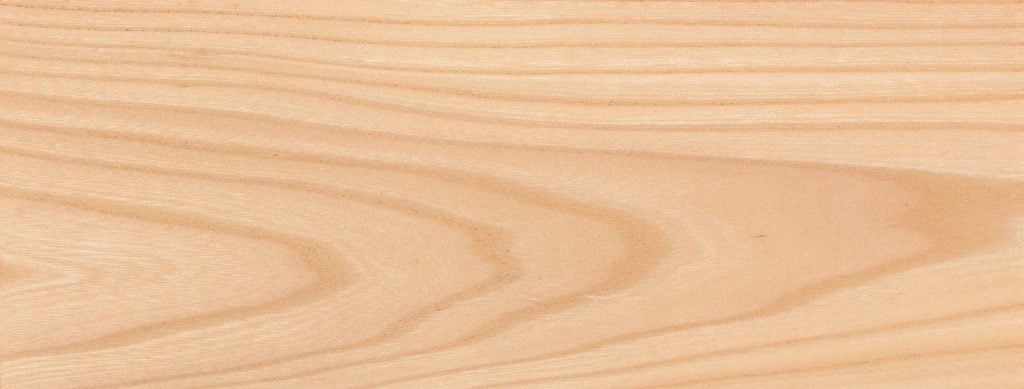
Elm has a prominent growth-ring pattern and an interlocking grain, which happens when the fibers reverse direction as the tree grows. The result spirals and swirls - bold, and genuinely unusual.
Durability
Classified as a soft hardwood: durable and tough, but softer than the others here. The interlocked grain adds toughness and makes it resistant to splitting.
Color
Heartwood ranges from light to medium reddish-brown, with paler tan to off-white sapwood. The interlocked grain throws unique swirls and waves that stand out under stain.
Style
A showy grain that is unique and bold across a variety of styles.
North American hardwood
Hard Maple
1450
Janka hardnessGrain
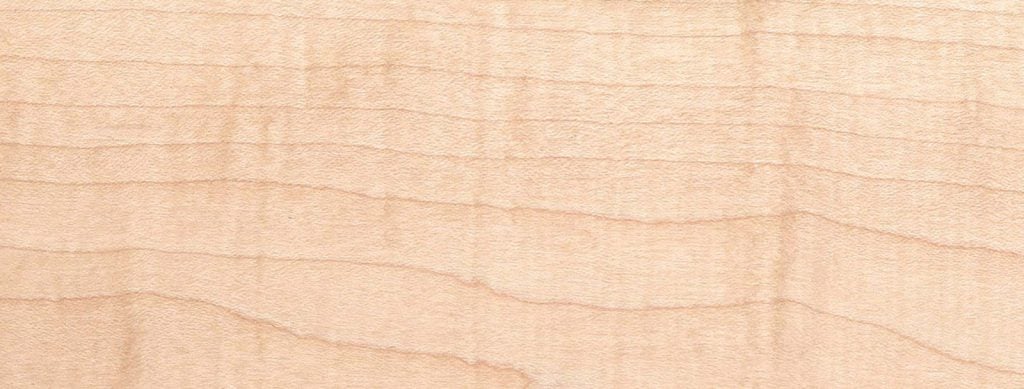
Like its softer counterpart, hard maple has a very smooth, quiet grain. It is not meant to distract from the room; it is meant to sit underneath it.
Durability
At the top of the chart. Furniture made from hard maple is guaranteed to be heavy, and will last for generations.
Color
Excellent in any finish. Also known as clear maple, it is common on kitchen cabinets in a natural finish because of its clarity and lack of imperfection. If you want light and consistent, this is the one. Popular: Natural, Michael's, Asbury, Rich Tobacco.
Style
The smooth grain leans contemporary and Shaker, but hard maple is versatile and looks right on almost anything.
North American hardwood
Hickory
1820
Janka hardnessGrain
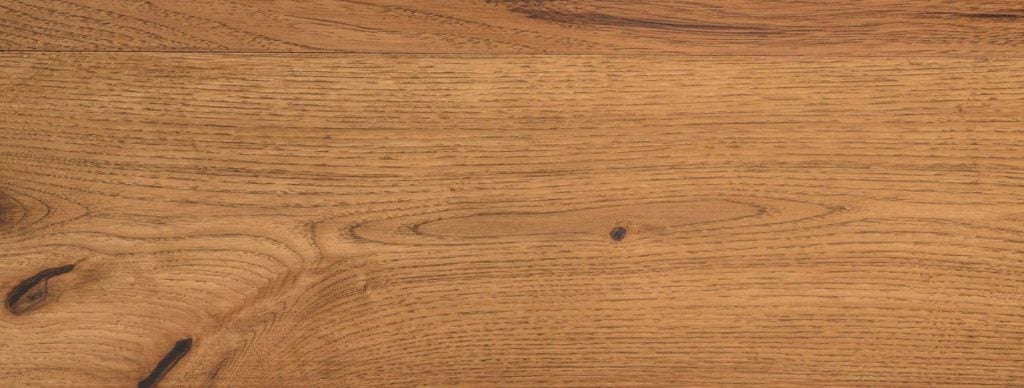
Like oak, hickory has a distinct and deep grain. Available as rustic hickory, for those who want the variation and visible knots, or regular.
Durability
Way up the scale. Hickory furniture is guaranteed to be very heavy, and it will last for generations.
Color
Rustic hickory in a natural finish is distinctive and sits well in rustic rooms. Stained hickory is very attractive too and has been gaining ground. Popular: Natural, Sealy, Michael's, Asbury, Earthtone.
Style
Typically associated with rustic or traditional styles, though hickory is versatile enough to complement almost any home.
North American hardwood
Oak
1290
Janka hardnessGrain
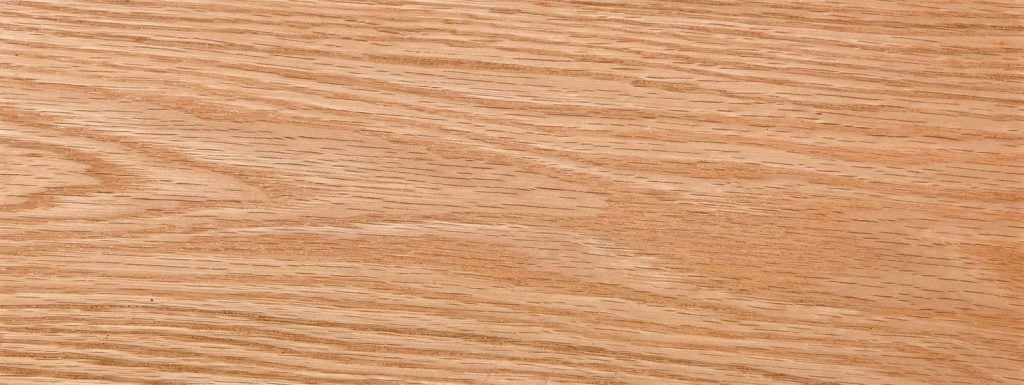
Red oak has a strong pattern commonly called cathedral, after its large arches. It has been widely used for decades for the beauty of that grain, its durability, and its relatively low cost against other American hardwoods.
Durability
Dense and hard. Oak wears very well over years of tough use and hides minor dents inside its wide, thick grain.
Color
For many years oak was finished almost exclusively natural, light golden or medium. We still build plenty of light oak, but there is a clear trend toward medium and dark tones. Popular: Fruitwood, Michael's Cherry, Asbury, Rich Tobacco.
Style
The oak grain leans traditional.
North American hardwood
Quarter-Sawn White Oak
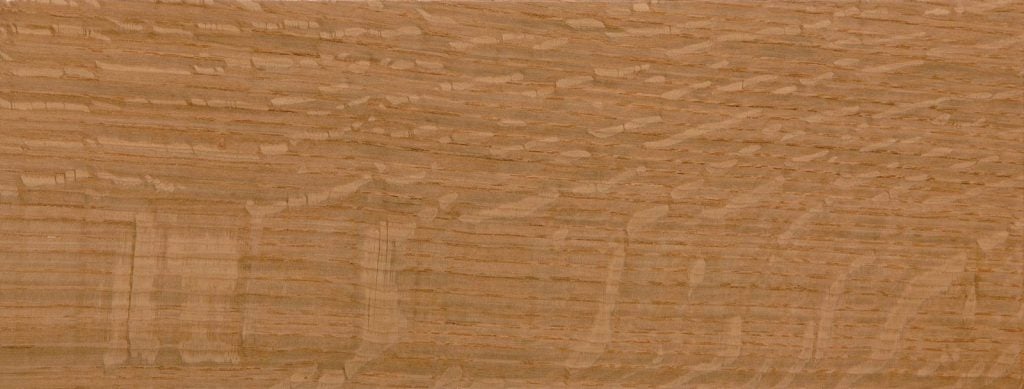
As with cherry, we build in regular or rustic quarter-sawn white oak, the difference again being how much grain variation is allowed. Rustic QSWO permits small imperfections, burls and knots, and usually costs less.
1335
Janka hardnessGrain
Quarter sawing describes how the log is milled: cut once, turned a quarter turn, cut again. On white oak the result is a very tight grain with horizontal flakes called tiger stripes - preferred for generations, and the counterpart to cherry.
Durability
Rings the bell. Plain and simple: furniture made from QSWO will last for generations.
Color
Popular across a broad spectrum over the years; current trends run to medium brown and red tones. Popular: Sealy, Michael's, Lite Asbury, Asbury.
Style
You will find this grain on furniture dating back to the turn of the century. The most famous style ever built from it is Mission. It also suits traditional and Shaker.
North American hardwood
Reclaimed Barnwood
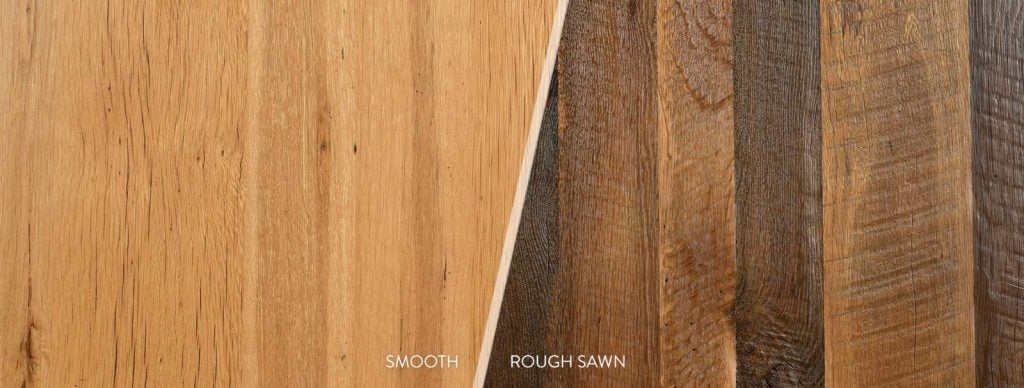
This is not distressed new wood. It is literally pulled from an old barn. We take a hundred-year-old antique, rework it, and make it last another hundred. Every board keeps its nail holes, its knots and its weather. Smooth and rough sawn are both available, and you can mix them on a single piece - smooth top, rough legs.
Janka hardness
Grain
Barnwood varies in species, though it is often oak, carrying character it earned over a lifetime. The aged texture and pattern give each piece an appeal that cannot be manufactured.
Durability
Timber that spent its life air-drying in a building has strength, stability and durability that kiln-dried new wood does not.
Color
Each board tells its own story, with a natural wooden patina. We recommend a light to natural stain to keep that character rather than bury it.
Style
If your piece needs long panels, reclaimed is worth considering - old construction used wood from the tallest trees, and regulations now prohibit harvesting old growth.
North American hardwood
Walnut
1010
Janka hardnessGrain
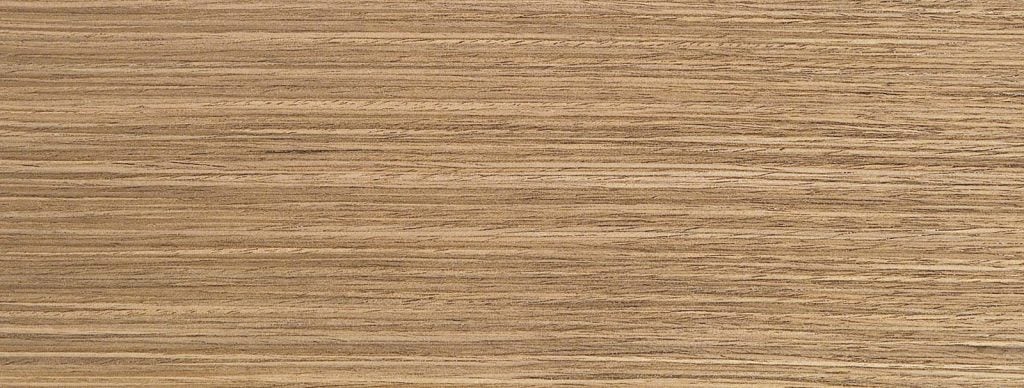
The only dark brown hardwood grown in the USA. The grain is usually straight but can be irregular, with a medium texture and a moderate natural luster.
Durability
One of the harder species we work in.
Color
A rich chocolate color with hints of black, gray, even dark blue or purple - a beautiful, complex wood. Over time walnut turns slightly golden brown, so gradually that it usually goes unnoticed.
Style
A species that speaks for itself and rarely needs an introduction. Walnut makes an impression.
Next decision
All set with your wood?
Visit
Let’s design your room together.
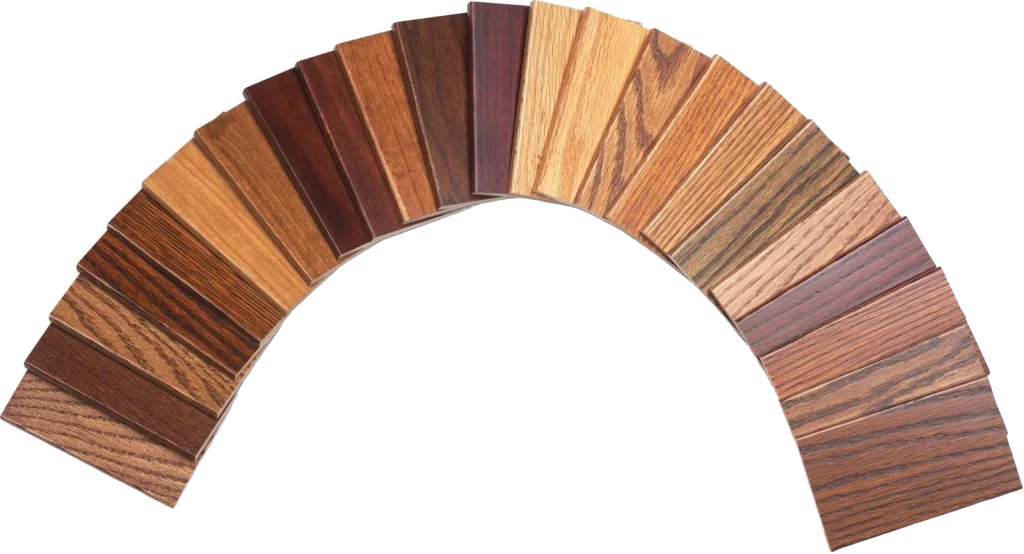
Sit down with one of our furniture specialists. Bring photographs, measurements, a paint chip or simply an idea, and leave with a clear plan for your room.
Book an appointment1750 Sam Rittenberg Blvd, Charleston SC · (843) 225-2513